Guided Safely
Professional guides monitor pace, oxygen, symptoms and daily acclimatization so the team climbs steadily and safely.
Climb the highest mountain in East Africa and Africa - a 5,895 metre journey through rainforest, moorland, alpine desert and the icy summit of Uhuru Peak.
Mount Kilimanjaro rises from the plains of northern Tanzania near Moshi and Arusha. It is the tallest free-standing mountain on earth and the highest point in Africa. The mountain is famous because ordinary trekkers can reach the summit without ropes or technical mountaineering, but the climb still demands good preparation, patience and respect for altitude.
Every route crosses several ecological zones. You start in warm forest, walk into giant heather and moorland, continue across dry alpine desert, then push toward a cold summit zone where glaciers, volcanic rock and sunrise views create one of the most powerful travel moments in East Africa.
Professional guides monitor pace, oxygen, symptoms and daily acclimatization so the team climbs steadily and safely.
Porters, cooks and guides support your climb with meals, camp setup, water, route knowledge and summit-night care.
Expect sweeping views over the clouds, volcanic ridges, glacial ice, the Saddle and the dramatic peaks of Kibo and Mawenzi.
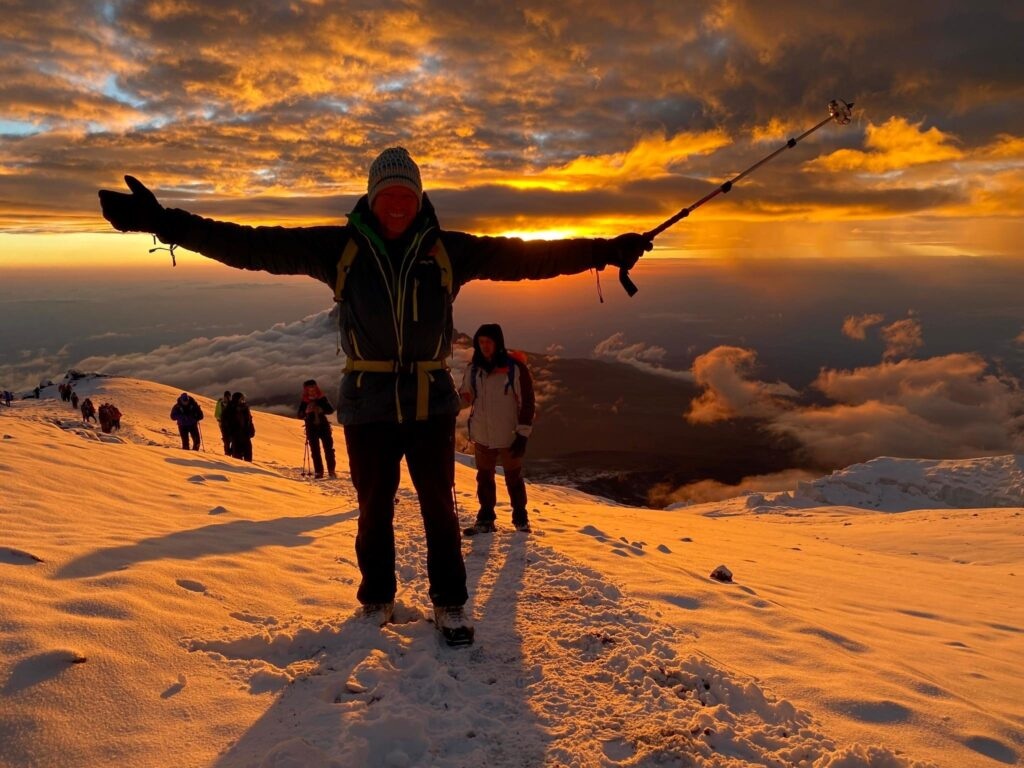
Kilimanjaro is not just one peak. It is a volcanic mountain made of three cones: Kibo, Mawenzi and Shira.

Kibo is the highest volcanic cone and the part climbers summit. Uhuru Peak sits on Kibo's crater rim at 5,895 metres. It is dormant, snow-capped and home to the famous final night ascent through Stella Point or Gilman's Point depending on the route.

Mawenzi is Kilimanjaro's rugged eastern cone. It is lower than Kibo but sharper, steeper and more technical. Most trekkers do not climb Mawenzi; they admire its dramatic skyline from routes such as Rongai, Marangu and the high Saddle between Mawenzi and Kibo.
Longer routes usually give better acclimatization and a higher chance of reaching the summit comfortably.
The classic route with hut accommodation. It is direct and comfortable, but acclimatization is tighter than longer routes.
View MaranguA scenic and popular route with strong acclimatization, varied landscapes and the famous Barranco Wall.
View MachameOne of the most beautiful approaches, starting from the quieter western side and joining the southern circuit.
View LemoshoA quieter northern approach with excellent Mawenzi views and a gentler first half of the climb.
View RongaiTanzania's second-highest peak inside Arusha National Park � wildlife, hut accommodation and stunning Kilimanjaro views on the way to Socialist Peak.
View Mount MeruClimb the Maasai Mountain of God and explore Lake Natron, Ngare Sero Waterfalls and Great Rift Valley scenery.
View Ol Doinyo LengaiReal mountain views: climbers, snow, volcanic ridges and Kilimanjaro's wide East African skyline.
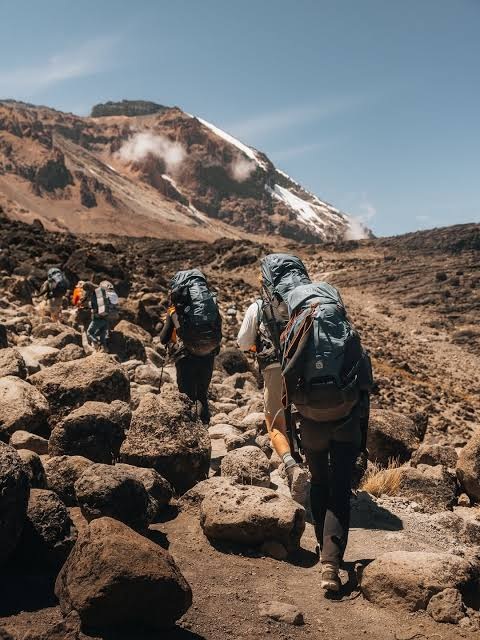


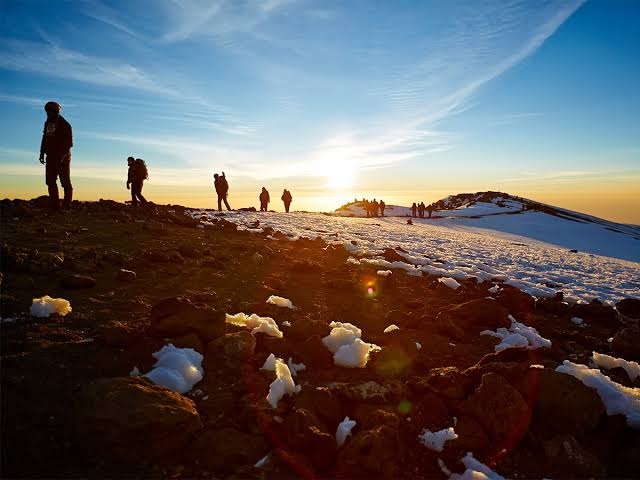

The best months are usually January to early March and June to October, when trails are drier and views are clearer.
The biggest challenge is altitude, not distance. A slower pace, enough days and daily health checks matter most.
Temperatures change sharply from forest heat to freezing summit conditions, so layered clothing is essential.
Tell us your preferred month, route and group size. We will recommend the safest itinerary, explain gear, park fees, crew support and how to combine Kilimanjaro with safari or Zanzibar.